Home and family printables become useful products when they solve a specific household task or make a personal story easier to collect. Use oddPOD to plan the pages, design editable Studio artboards and prepare a reviewed print-and-write PDF. Sell a reusable blank pack or offer a separately scoped personalized version with customer-supplied content.
A household does not need another empty binder simply because it looks coordinated. It needs a page that answers a real question: who is doing the shopping, where did we pack the kettle, or what story belongs with this photograph? Build the product around that moment.
Choose between everyday utility and personal keepsakes before expanding the page count. Utility pages need fast scanning and generous writing space. Keepsakes need thoughtful prompts, careful editing and room for a person’s own voice. Both benefit from testing a complete printed copy with someone who did not design it.
Choose the right kind of household product.
The amount of personalization changes your delivery work. A reusable download and a custom family book are different offers.
On a small screen, scroll the table sideways to compare the details.
| Format | Buyer’s job | What you deliver | Main review |
|---|---|---|---|
| Routine pack | Coordinate something that repeats | Blank reusable PDF pages | Can someone fill it in quickly? |
| Transition kit | Manage a move or household project | A sequenced checklist and record pack | Does the order match the real task? |
| Story workbook | Collect memories over time | Prompts, captions and writing space | Are the prompts clear and optional? |
| Personalized keepsake | Present supplied stories or photos | An approved final PDF | Has the customer checked every detail? |
Twelve opportunities around real household moments.
Start with one situation and a few pages that belong together. The examples below are product directions to develop and test, not finished templates included with oddPOD.
Make the week visible
A family organization pack
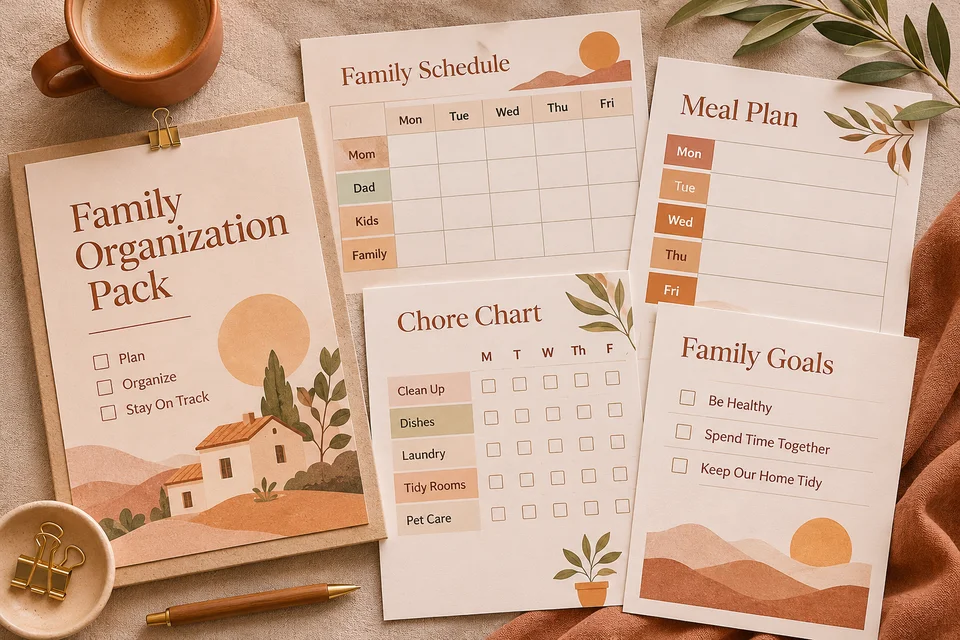
Build a shared weekly overview, meal plan, shopping list and task sheet for a household that prefers paper. Use neutral labels such as ‘person responsible’ so the pages work for different households. The product’s value is helping people see what needs attention without reading a complicated system.
Ask one household which repeated handoff gets missed, then design a single page that makes it visible.
How to prepare this idea
Use tables and editable text in Studio to establish a consistent layout. Try filling in a realistic week before adding decorative sections. A shared wall page needs larger type and quicker scanning than a private notebook. Keep the download’s page count, size and printing instructions explicit.
Hand over the everyday details
A pet-sitter information and routine pack
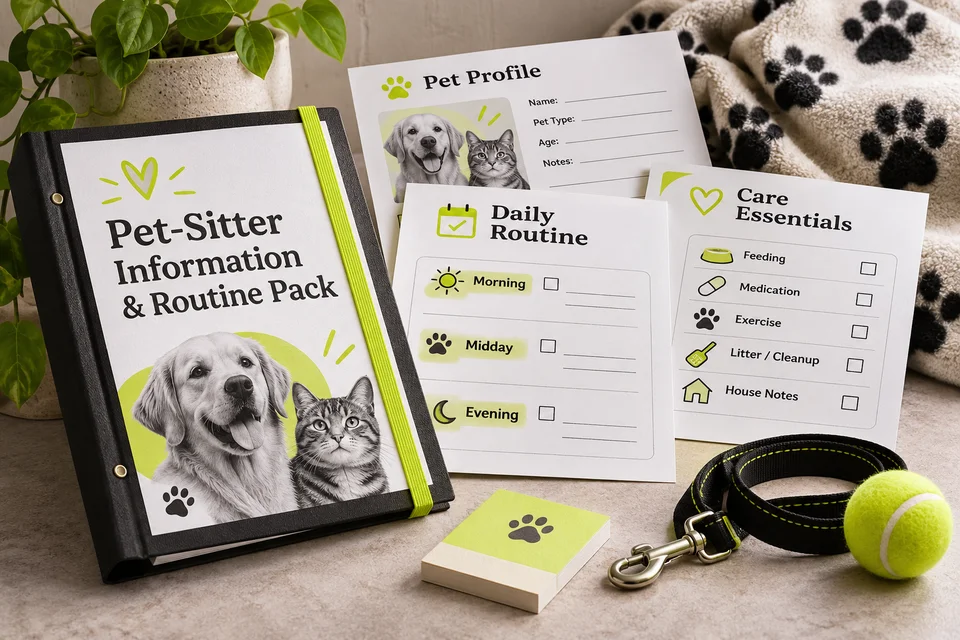
Create blank pages for a pet’s routine, supplied food instructions, preferred walks and owner contact details. A sitter can use the pack to record what happened during a visit. Pairing a clear overview with a simple visit log gives the product a specific purpose.
Outline what a sitter needs on arrival, then test whether those details fit legibly on one overview page.
How to prepare this idea
Design spaces for the owner’s own instructions rather than supplying veterinary or feeding advice. A personalized version can add the pet’s name and a customer-supplied photograph after approval. Keep sensitive filled-in information out of public product previews; show invented sample details or blank fields.
Find the things you packed
A moving-house organizer
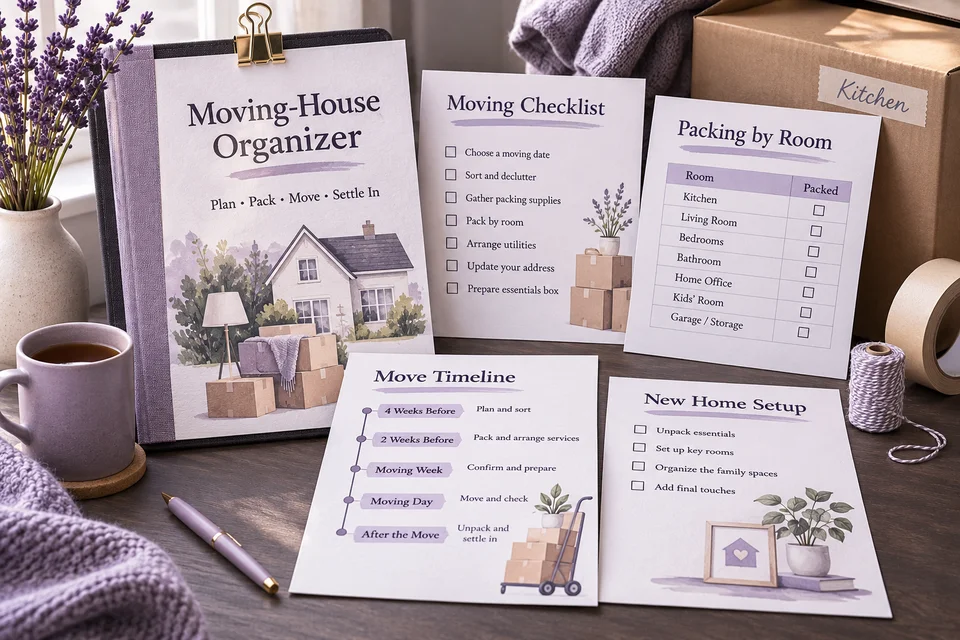
A useful moving kit can include a box register, room labels, a first-night packing list and a task tracker. Tie the pieces together with one simple box-ID system. Buyers should be able to look up ‘Kitchen 04’ without interpreting several unrelated naming schemes.
Pack three sample boxes, label them and see whether another person can find a named item using only the register.
How to prepare this idea
Build the register and labels as coordinated artboards, then print and use them on a few actual boxes. Check that labels remain readable and the register has enough room for meaningful contents. Keep the pack focused on organization; the buyer supplies their own dates, addresses and required administrative tasks.
Keep choices and open questions together
A home-renovation decisions workbook
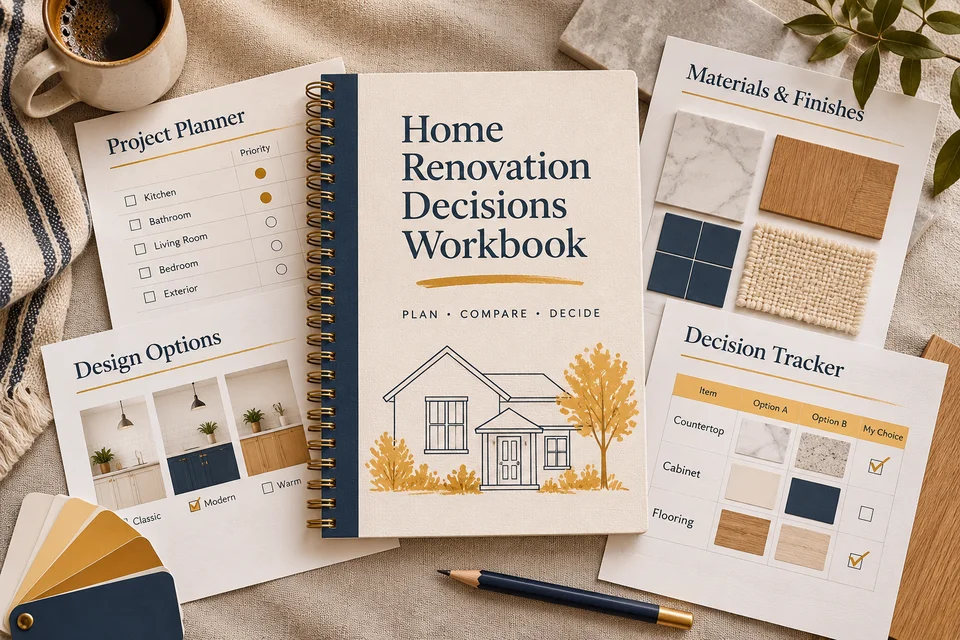
Offer pages for room goals, finish selections, supplier references, quotes received and questions for the people doing the work. A household comparing paint colors and fixtures needs a reliable decision record, not another source of conflicting technical instructions.
Design one room-decision sheet and fill it with a sample choice, its source and the next question to resolve.
How to prepare this idea
Create repeatable room pages in Studio with a field for the latest decision and its date. Leave structural, electrical and other technical specifications to the responsible professionals. Describe the workbook as a planning and record-keeping aid; it does not calculate a project budget or verify contractor advice.
Give possessions a findable record
A home-inventory binder
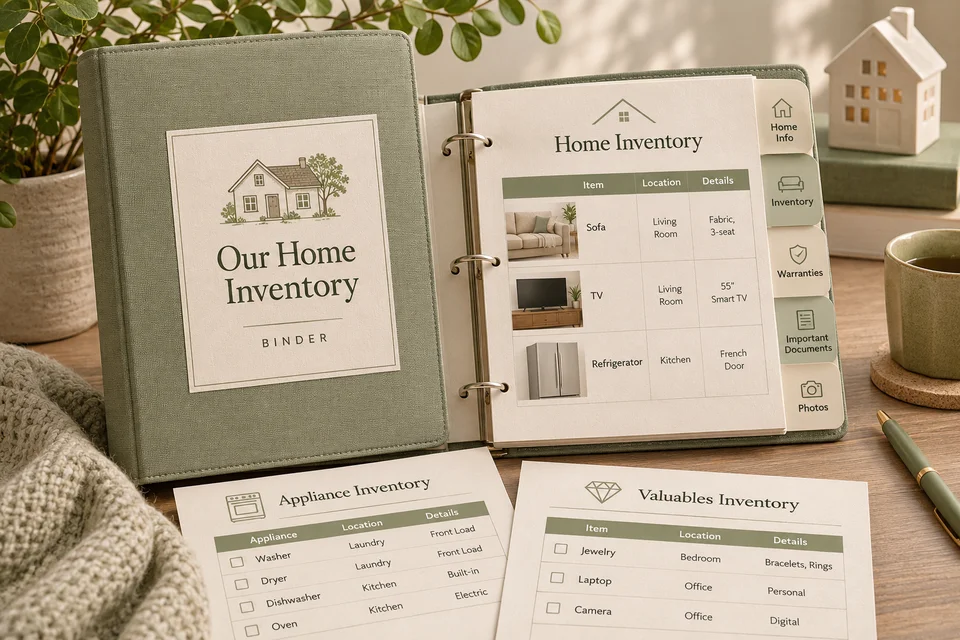
A blank room-by-room inventory can help buyers record an item’s description, purchase reference, serial number and where its documentation is stored. Include a contents page so the binder remains navigable as it grows.
Inventory five ordinary items on your draft page and remove fields that make the record unnecessarily slow to complete.
How to prepare this idea
Make space for the user’s own photographs or document references without promising automatic image import or asset tracking. The printable records information; it is not a secure database or a guarantee that an insurer will accept the record. For a custom version, agree on what the customer supplies and how the final files are handed back.
Connect names, places and stories
A family-history workbook
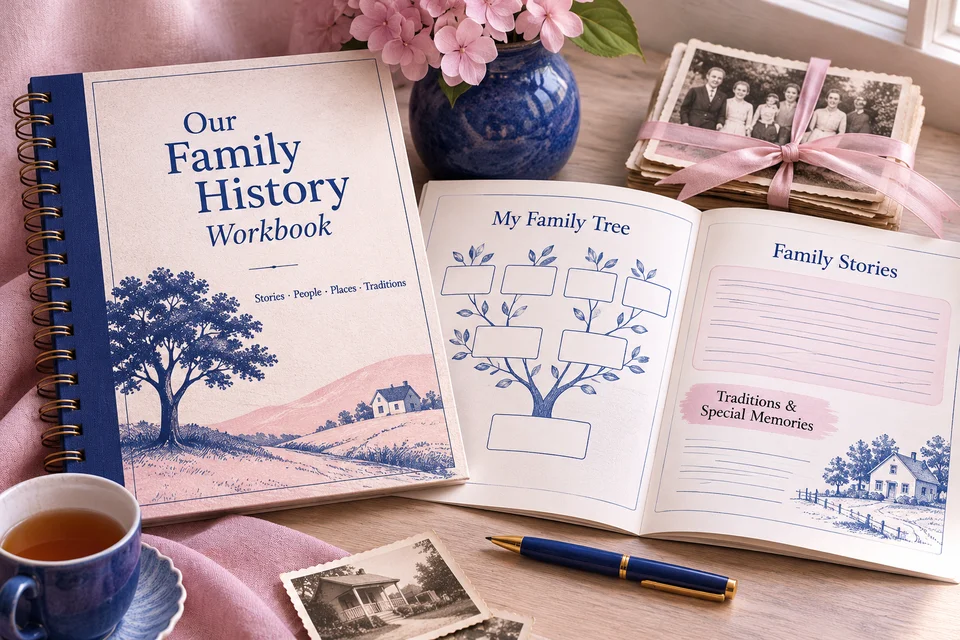
Create a workbook with person profiles, place notes, a simple timeline and photograph-caption pages. The buyer may be collecting stories for the first time rather than conducting a formal genealogy project. Let uncertain dates and differing recollections be recorded clearly.
Build one profile page that records a person, a place, a remembered event and the source of that memory.
How to prepare this idea
Use original prompts and layouts, with room to note who supplied a story and when. Avoid treating a decorative family-tree diagram as proof of a relationship. A custom layout service can turn customer-approved notes and photos into a family booklet, with proofreading built into the scope.
Help someone begin a conversation
An oral-history interview kit
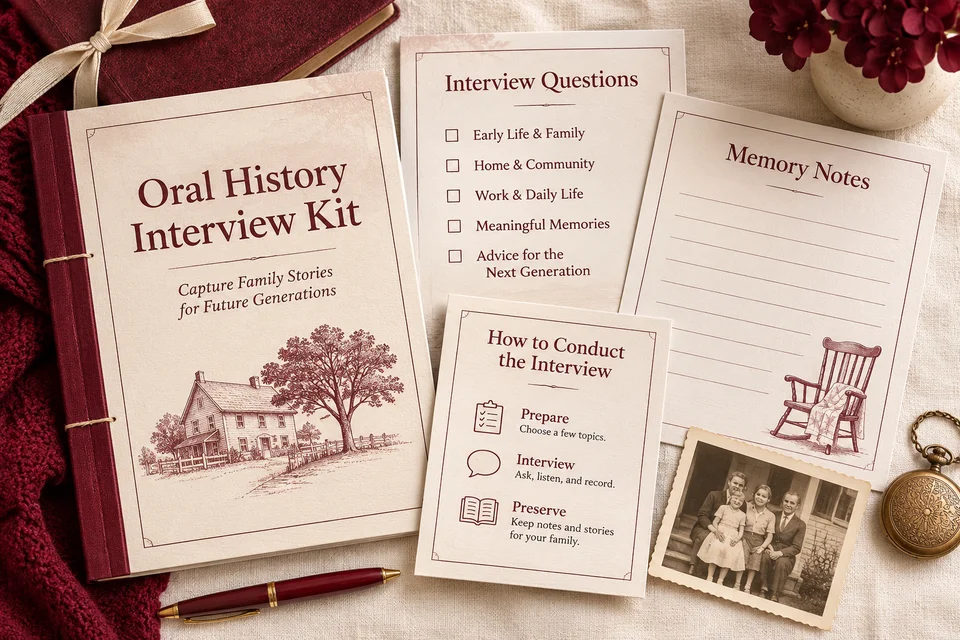
Offer a preparation sheet, a set of original conversation prompts and a recording index. The kit can help a family member choose a topic, note the interview date and keep track of the stories discussed. It should invite listening rather than force every conversation through a rigid questionnaire.
Try five open prompts in a willing participant’s short conversation and revise any that lead only to one-word answers.
How to prepare this idea
Include a reminder to agree on recording and sharing before beginning, and make it easy to skip topics. oddPOD can produce the printable materials; recording, transcription and file storage use the buyer’s chosen tools. Do not present those services as automatic features of the pack.
Preserve the story beside the recipe
A family recipe keepsake
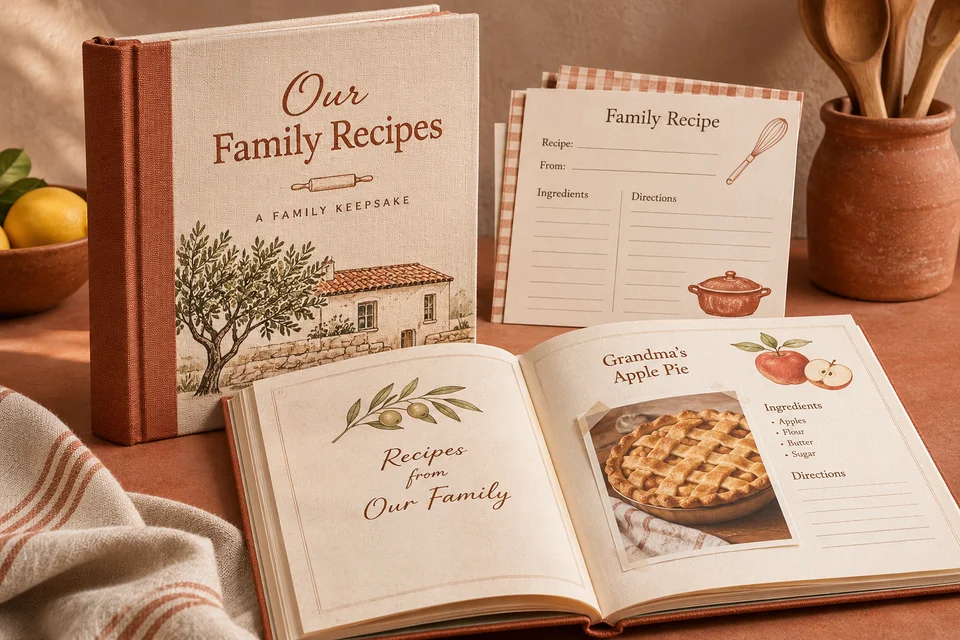
Design recipe pages with space for the contributor’s name, ingredients, method and a short memory. A blank collection can be a printable product; a finished book assembled from approved family recipes can be a custom service. Explain which version the buyer receives.
Lay out one complete, approved recipe with its story and check that the method can be followed without flipping between crowded pages.
How to prepare this idea
Use consistent measurement and instruction fields, but have the contributor approve their recipe rather than inventing missing quantities. Leave space for photographed handwriting if the customer wants to preserve it. Printed books and binding require a separate printer and a proof reviewed against that printer’s specifications.
Record a family’s own experience
A baby milestone and memory journal
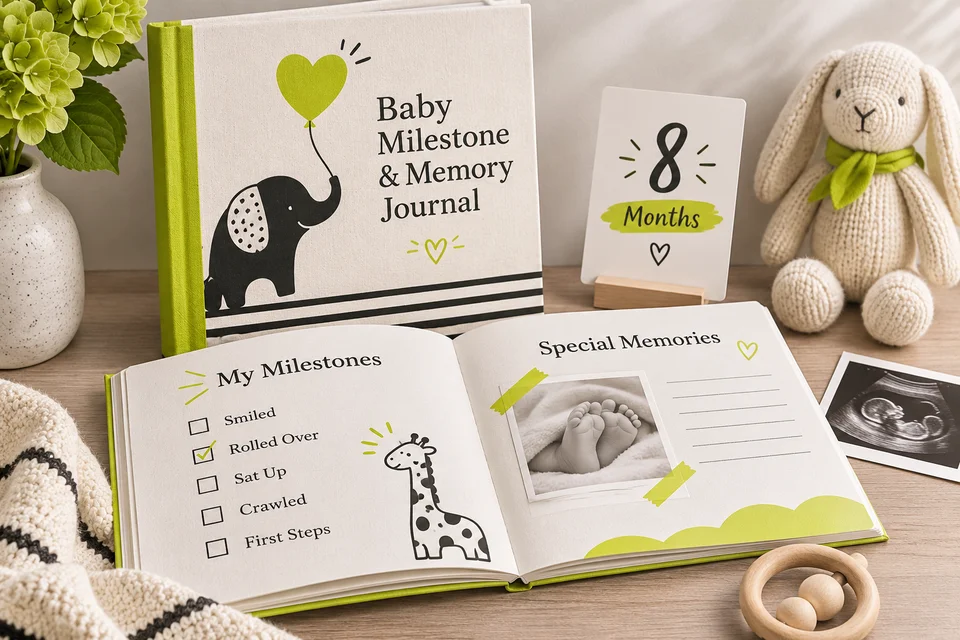
A memory journal can offer pages for first impressions, favorite moments, photographs and messages from family. Flexible prompts let buyers document what matters to them without making the journal feel like an assessment or a deadline.
Create a one-month memory spread with optional prompts and test it using a mixture of short notes and photographs.
How to prepare this idea
Design optional sections and generous photo spaces. Keep the language about memories rather than expected developmental timing or medical guidance. A personalized cover can be a defined add-on, with spelling and date approval before export. Show exactly which pages are included in the standard download.
Make space for individual memories
A memorial remembrance collection
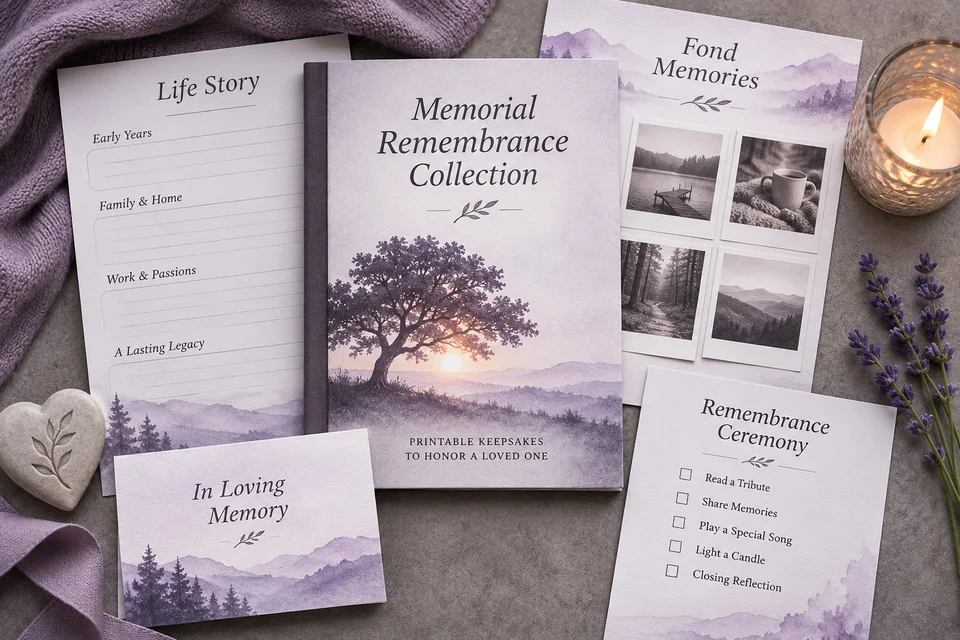
Offer remembrance cards, story pages and a simple collection cover for people gathering memories of someone. Use calm layouts and optional wording so the product can suit different family preferences. A custom edition needs thoughtful communication and a clearly identified approver.
Design one blank memory card and one sample story page using clearly fictional content.
How to prepare this idea
Ask the customer to provide and confirm names, dates, photographs and any readings. Keep revision deadlines and print requirements explicit when the work is for an event. The designer’s role is to present supplied memories with care, not to invent biographical details or promise a particular emotional outcome.
Give people something to exchange
A long-distance friendship correspondence kit
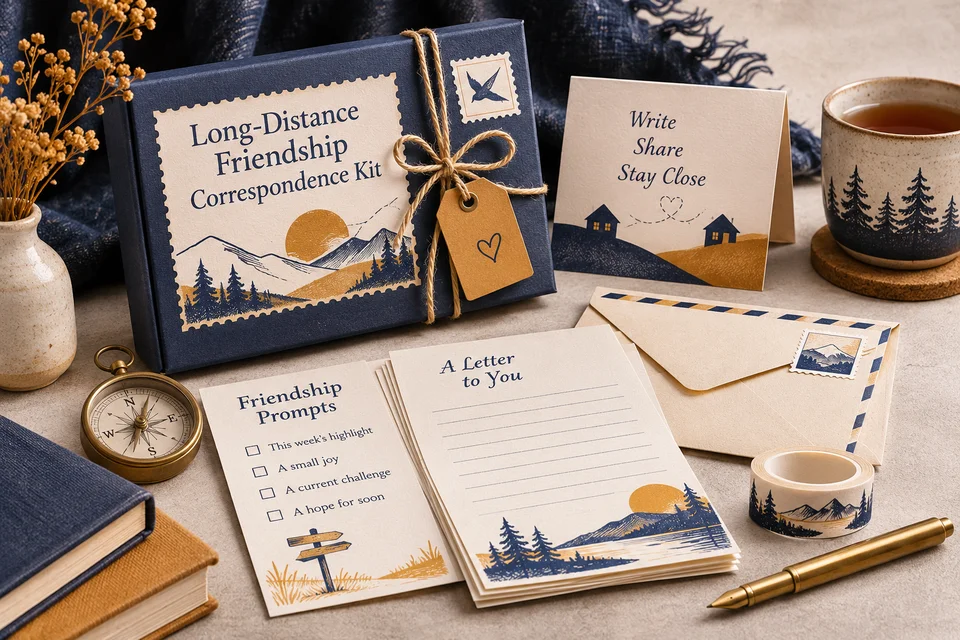
Create a printable set of letter prompts, small shared challenges and ‘this month in my world’ pages. The product can support friends who enjoy a physical exchange or a regular conversation. Make each prompt achievable without needing an elaborate setup.
Write three original prompts that two friends could complete independently and enjoy discussing together.
How to prepare this idea
Build a consistent page family in Studio and provide clear printing and cutting instructions where relevant. If you include postcard-shaped designs, specify the file’s dimensions; the buyer checks their chosen postal service’s requirements. A PDF pack does not include postage, messaging or delivery.
Collect contributions into a coherent gift
A retirement tribute book or card collection
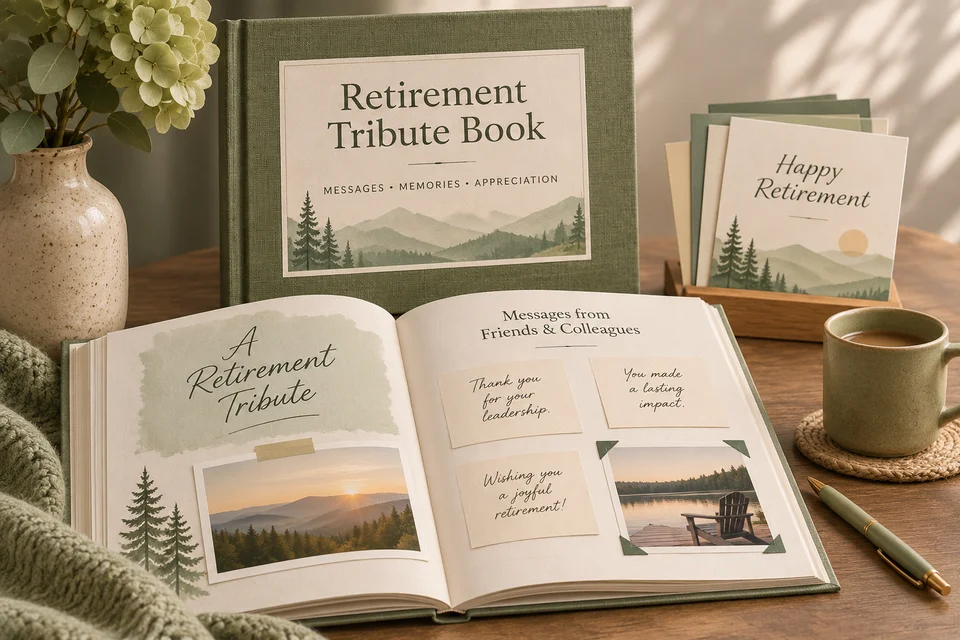
A group can commission a tribute built from colleagues’ memories, photographs and messages. Your offer might include a contribution-page design, a fixed number of edited pages and a final PDF. The project’s practical challenge is collecting approved content on time.
Define a small tribute package with a maximum page count, one coordinator and a single consolidated proofing round.
How to prepare this idea
Use one coordinator, a contribution deadline and a clear word or page allowance. Build the layouts in Studio, then send a consolidated proof for names, dates and wording. Printing, binding, signatures and gift delivery remain separately arranged unless included explicitly in your service.
Home Together: a five-page household pack
This fictional pack demonstrates a focused routine product. The pages shown are original editorial concepts; a downloadable or physically tested product has not been produced for this example.
together.THE HOUSEHOLD COLLECTION
- Choose the household task
Focus on the handoff between planning meals, buying ingredients and assigning household tasks. The imagined buyer wants paper pages that can sit together on a kitchen board. Avoid adding unrelated finance, health or school administration pages simply to increase the page count.
- Give each page one role
Plan five pages: a short start-here sheet, a weekly overview, a meal plan, a shopping list and a task handoff. Use the same day names and responsibility labels throughout. The overview helps people see the week; the separate lists provide room to write.
- Build the page family
Use the printable workflow and editable Studio artboards to establish type, tables, spacing and a restrained visual motif. Prepare Letter or A4 deliberately. If you offer both, inspect each layout independently instead of assuming every line break and writing area survives a size change.
- Run a paper trial
Export the current PDF and print all five pages. Fill in a realistic week and ask another household member to find a task and add an item. Note cramped fields, unclear labels and unnecessary duplication. Revise the master and export the updated version for another check.
- Package the actual product
Deliver the approved PDF with page-size and printing instructions, a contents list and clear terms for its intended use. Use representative page previews in the shop. State that it is a print-and-write download; it does not sync calendars, send reminders or supply editable buyer templates.
The delivery plan
What the finished work should include.
- Five coordinated print-and-write pages with a clear contents list.
- A reviewed PDF for each page size actually offered.
- Printing instructions and a completed sample for guidance.
- Listing previews that show real page interiors.
- A version name and a defined process for any personalized order.
If people consistently use one page and ignore another, improve the useful core before adding more. A smaller pack that fits a household routine is easier to explain and maintain.
Test the page where it will be used.
A kitchen board, a moving box and a keepsake album impose different design demands. Match the type size, paper format and amount of writing space to the setting. For personalized work, include the time needed to collect, edit and approve the customer’s material.
- Name one buyer and one task or occasion.
- Show the included pages and distinguish blank from personalized versions.
- Check writing space, margins and readability on a physical print.
- Use fictional or approved content in public previews.
- Specify what photographs, text and approvals a custom order requires.
- Keep final PDFs, working masters and printed-goods arrangements clearly identified.
Further reading and destination guidance.
Background reading for developing a respectful interview process. Write original prompts and keep recording and sharing arrangements explicit. Smithsonian: how to do oral history →
Your questions, answered.
Can buyers edit these pages in oddPOD?
The workflow described here delivers a print-and-write PDF. Your Studio artboards remain your editable working files. Do not advertise an editable customer template or fillable PDF unless you have separately created and verified that deliverable.
Should I sell a blank download or a personalized product?
A blank download can serve repeated buyers with the same files. Personalization adds content collection, layout work, proofreading and revisions to each order. Start with the format you can reliably deliver and describe the difference clearly.
Can I offer a physically printed keepsake?
Yes, as a separately arranged product. Choose a suitable printer, follow its specifications and review a proof. This guide’s printable workflow prepares PDFs; it does not assume automated book printing or fulfillment through oddPOD.
How many pages should a household pack include?
Include the pages needed to complete its specific task. Test a small complete pack before expanding it. A buyer should understand why each page exists and how it connects to the others.
Does oddPOD record or transcribe family interviews?
This guide uses oddPOD for the interview kit’s printable prompts, notes and index pages. Recording, transcription, permission records and storage belong in the tools and process chosen for the interview.